
Braces & Aligners in Greater Noida
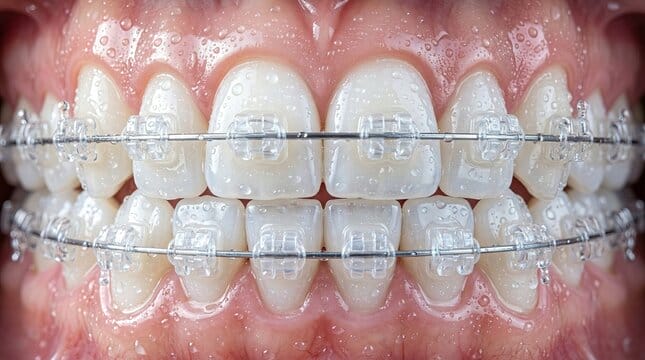
The position of your teeth affects how you bite, chew, speak, and keep your mouth clean. Teeth that are crowded, spaced, or misaligned can be harder to clean in certain areas, which may affect long-term dental health.
Braces and clear aligners are orthodontic treatment options designed to move teeth gradually into better positions through carefully planned tooth movement. At Executive Implant Clinic, Greater Noida, orthodontic care begins with a detailed assessment of your teeth, jaw relationship, bite, and smile goals before any treatment is recommended.
Care is led by Dr. K.D. Chaudhary, MDS (Prosthodontics & Oral Implantology), supported by a multidisciplinary dental team. Treatment planning considers both the function and the appearance of your smile, and where orthodontics forms part of a broader rehabilitation plan, specialists collaborate to keep your care coordinated.
Whether you are exploring treatment for yourself or your child, this guide explains how braces and aligners work, who may be suitable, and what to expect from consultation through to completion.
Schedule an Orthodontic Consultation
If you are considering braces or clear aligners in Greater Noida, arrange a consultation with our dental team. During your visit, we evaluate your teeth, bite, and jaw alignment, then discuss the treatment options suited to your clinical needs.
Understanding Braces & Clear Aligners
Orthodontic treatment improves the alignment of teeth and the relationship between the upper and lower jaws. Controlled pressure is applied over time to guide teeth into their planned positions under professional supervision. Depending on your clinical condition, your dentist may recommend fixed braces, removable clear aligners, or another orthodontic solution after a comprehensive assessment.
What Are Dental Braces?
Dental braces are fixed appliances attached to the teeth using brackets and wires. Together these components apply gentle, controlled forces that gradually move teeth into improved alignment. During treatment, braces are adjusted periodically to guide tooth movement according to the planned sequence. Different orthodontic systems may be available depending on your clinical needs.
What Are Clear Aligners?
Clear aligners are removable, transparent trays custom-made to fit over your teeth. Each aligner in the series is designed to produce small, planned tooth movements, and you generally move to the next tray on the schedule your dentist provides. Because they are removable, aligners can usually be taken out while eating and during routine brushing and flossing. Consistent wear, as advised by your dentist, is important for treatment to progress.
Braces or Aligners: Which Option May Be Suitable?
Both braces and clear aligners aim to improve tooth alignment, but the most suitable option depends on several clinical factors. Your recommendation may be influenced by:
- Degree of crowding or spacing
- Bite relationship
- Jaw alignment
- Age and stage of dental development
- Oral hygiene
- Lifestyle considerations
- Treatment objectives
Your dentist will explain which option is appropriate for your individual orthodontic needs.
Common Orthodontic Concerns
Orthodontic treatment may be considered for a range of alignment concerns, including:
- Crowded teeth
- Gaps between teeth
- Crooked teeth
- Overbite
- Underbite
- Crossbite
- Open bite
- Rotated teeth
- Mild to complex alignment concerns
A detailed orthodontic assessment helps determine the nature of the problem and the approach most appropriate for your smile.
Why Early Assessment Can Be Helpful
Orthodontic concerns can develop gradually during childhood and adolescence, though many adults also choose treatment. Early assessment lets the dental team monitor tooth eruption, jaw development, and bite relationships, and in some cases timely intervention may simplify future treatment planning. For adults, orthodontic treatment can often be integrated with restorative or cosmetic dentistry where clinically appropriate.
Our Patient-Centred Orthodontic Philosophy
At Executive Implant Clinic, orthodontic planning is guided by careful diagnosis rather than appearance alone. Your consultation includes:
- Discussion of your concerns and expectations
- Review of your dental and medical history
- Comprehensive examination of teeth and bite
- Assessment of jaw relationship
- Explanation of available treatment options
- Discussion of expected treatment stages
- Time to ask questions before making any decision
Our aim is to help you understand your options clearly so you can make an informed decision based on your individual oral health needs.
Who May Be Suitable for Braces or Clear Aligners?
Some people notice crooked teeth in childhood, while others experience changes in alignment later in life from shifting teeth, missing teeth, or natural ageing. Orthodontic treatment is recommended only after a detailed assessment confirms that tooth movement would benefit your oral health and treatment goals. The evaluation looks at how your teeth function together, how your bite is aligned, and whether treatment can contribute to better long-term oral health.
Orthodontic Treatment May Be Considered If You Have:
- Teeth that overlap or appear crowded
- Noticeable spaces between teeth
- Crooked or rotated teeth
- Difficulty cleaning between misaligned teeth
- An uneven bite affecting chewing
- Teeth that protrude significantly
- Concerns about smile alignment before cosmetic or restorative treatment
- Mild to moderate concerns that may suit clear aligners
- More complex concerns that may require fixed appliances
Suitability is confirmed after a comprehensive orthodontic examination, not from appearance alone.
Orthodontic Care for Teenagers and Adults
Orthodontic treatment is not limited to one age group.
#### Teenagers
As permanent teeth develop, treatment may help guide alignment and bite correction where clinically indicated. Regular assessment allows the dental team to monitor jaw development and recommend treatment at an appropriate stage.
#### Adults
Many adults seek treatment to improve alignment before restorative procedures such as veneers, crowns, or dental implants, while others simply wish to improve bite function or smile appearance. Provided the teeth and supporting gums are healthy, many adults may be suitable candidates following a clinical assessment.
Factors Considered Before Recommending Treatment
Before recommending braces or clear aligners, the dental team evaluates several factors, including:
- Tooth alignment
- Jaw relationship
- Bite function
- Existing restorations
- Gum health
- Bone support
- Wisdom teeth, where relevant
- Oral hygiene habits
- Lifestyle and treatment expectations
Your Orthodontic Treatment Journey
Orthodontic treatment involves gradual, carefully planned tooth movement over a period determined by your clinical condition. Each stage monitors progress and keeps treatment aligned with your objectives.
Step 1: Comprehensive Orthodontic Consultation
Your first visit focuses on understanding your concerns and evaluating your overall oral health. During the consultation, your dentist may:
- Discuss what you would like to improve
- Examine your teeth and gums
- Evaluate your bite and jaw relationship
- Review your medical and dental history
- Explain available orthodontic options
- Answer any questions about treatment
This appointment helps establish whether orthodontic treatment is appropriate and identifies the most suitable pathway for your case.
Step 2: Diagnostic Records and Treatment Planning
Accurate planning is essential before any tooth movement begins. Depending on your clinical requirements, records may include:
- Clinical photographs
- Digital dental impressions or scans
- Diagnostic study models
- Dental radiographs
- Bite analysis
The information collected allows your dentist to assess tooth positions, root alignment, and overall treatment complexity before preparing a personalised plan.
Step 3: Discussing Your Treatment Plan
Once the assessment is complete, your dentist explains the recommended treatment in detail. This discussion typically covers:
- Whether braces or aligners are appropriate
- Estimated treatment sequence
- Expected review appointments
- The importance of oral hygiene throughout treatment
- Retention requirements after treatment
- Estimated treatment duration
You are encouraged to ask questions before beginning treatment so you understand each stage of the process.
Step 4: Beginning Orthodontic Treatment
The initial appointment differs depending on the appliance selected.
#### If Fixed Braces Are Recommended
Brackets are carefully bonded to the teeth, and an orthodontic wire is placed to begin gentle tooth movement.
#### If Clear Aligners Are Recommended
A series of custom-made aligners is provided along with instructions on wear time, cleaning, and replacement intervals. Your dentist explains how to care for the appliance and what to expect during the first few weeks.
Step 5: Regular Progress Reviews
Orthodontic treatment needs regular monitoring to evaluate tooth movement and make planned adjustments. Review appointments allow the dental team to:
- Assess treatment progress
- Replace or adjust orthodontic wires (for braces)
- Monitor aligner fit and progression
- Review oral hygiene
- Address any concerns you raise
The frequency of appointments depends on your treatment plan.
Step 6: Completing Active Treatment
Once the planned tooth movements have been achieved, active treatment is completed. The dental team evaluates:
- Tooth alignment
- Bite relationship
- Overall treatment objectives
- Stability of the final result
The next stage focuses on helping maintain the new tooth positions through retention.
Step 7: Retainers and Long-Term Maintenance
After treatment, retainers are commonly recommended to help maintain tooth alignment. Depending on your plan, your dentist may discuss:
- Removable retainers
- Fixed retainers
- Retainer wear schedule
- Follow-up review appointments
Following the recommended retention plan is an important part of maintaining your result.
What to Expect During Orthodontic Treatment
Orthodontic treatment involves gradual tooth movement rather than immediate changes, so you may notice improvements in alignment over time. Maintaining good oral hygiene, attending scheduled appointments, and following your dentist's instructions all support treatment progression. Your dental team continues to monitor your oral health throughout and provides guidance whenever adjustments or additional care are required.
Our Collaborative Orthodontic Approach
Some orthodontic patients also need restorative, prosthodontic, periodontal, or implant-related care. At Executive Implant Clinic, orthodontic treatment can be coordinated with other dental specialties when clinically appropriate, supporting comprehensive planning for patients whose needs extend beyond tooth alignment alone. Every recommendation is based on careful diagnosis, evidence-based dentistry, and your long-term oral health goals.
How Orthodontic Treatment Can Support Your Oral Health
Orthodontic treatment is often associated with improving the appearance of a smile, but its role goes beyond cosmetic change. Well-aligned teeth can contribute to better oral hygiene, balanced bite function, and long-term dental maintenance. The benefits of braces or clear aligners depend on your diagnosis, treatment objectives, and how closely you follow your care plan.
Can Improve Tooth Alignment
One of the primary goals of treatment is to gradually reposition teeth into improved alignment. Correcting crowding, spacing, or rotated teeth may contribute to:
- A more balanced smile
- Better contact between teeth
- Improved overall dental function
May Make Daily Cleaning Easier
When teeth overlap significantly, cleaning certain areas effectively can be more difficult. Improved alignment may make brushing and flossing more accessible, supporting better plaque control as part of a consistent oral hygiene routine. Good oral hygiene during and after treatment remains essential for keeping teeth and gums healthy.
Supports Better Bite Function
The way your upper and lower teeth meet influences chewing efficiency and overall comfort. Where clinically appropriate, treatment may help improve bite relationships involving:
- Crowded teeth
- Crossbites
- Overbites
- Underbites
- Open bites
Not every bite concern requires orthodontic treatment, and recommendations are based on individual assessment.
Can Complement Other Dental Treatments
Orthodontic care is sometimes recommended before restorative or cosmetic procedures. Improved tooth alignment may assist with planning for services such as:
- Dental veneers
- Crowns
- Dental implants
- Full-mouth rehabilitation
- Smile designing
Where multiple treatments are required, the multidisciplinary team works together to sequence care appropriately.
Encourages Long-Term Smile Maintenance
Once treatment is complete, retainers play an important role in helping maintain the new tooth positions. Following the retention plan your dentist provides and attending periodic reviews helps support long-term stability.
A Personalised Outcome
Treatment success is measured not only by straighter teeth but also by healthy function, a comfortable bite, and results appropriate for your individual oral condition.
Orthodontic Planning & Clinical Technology
Orthodontic treatment relies on careful planning before any tooth movement begins. At Executive Implant Clinic, every case starts with a comprehensive assessment of tooth alignment, jaw relationship, facial proportions, and overall oral health, which helps determine whether braces, clear aligners, or another approach is appropriate.
Comprehensive Smile Assessment
Before recommending treatment, the dental team evaluates several aspects, including:
- Tooth position
- Bite relationship
- Jaw alignment
- Facial symmetry
- Existing restorations
- Gum health
- Bone support
- Oral hygiene status
- Future restorative requirements, if applicable
This assessment ensures orthodontic treatment is integrated into your overall dental care rather than viewed in isolation.
Diagnostic Technology
Where clinically indicated, treatment planning may involve modern diagnostic tools.
Coordinated Specialist Care
Some patients benefit from input from more than one dental specialty. Executive Implant Clinic follows a multidisciplinary model in which orthodontic treatment can be coordinated with:
- Prosthodontics
- Implant Dentistry
- Cosmetic Dentistry
- Oral Surgery
- Periodontal Care
- Restorative Dentistry
This approach supports comprehensive planning, particularly for patients requiring multiple dental procedures.
Meet Your Treating Dentist
Dr. K.D. Chaudhary, MDS (Prosthodontics & Oral Implantology)
Orthodontic treatment at Executive Implant Clinic is planned within a comprehensive dental care model led by Dr. K.D. Chaudhary, Founder and Lead Clinician. With over 21 years of clinical experience, he has extensive expertise in restorative dentistry, prosthodontics, implant rehabilitation, smile designing, and multidisciplinary treatment planning, which allows orthodontic care to be coordinated with restorative and functional rehabilitation where required.
Professional highlights include:
- MDS in Prosthodontics & Oral Implantology
- Graduate of Manipal University
- All India Rank 74 in the AIIMS MDS Entrance Examination
- Advanced training in Full Mouth Rehabilitation using the Dawson Concept (USA)
- Former consultant at Fortis Hospital, Noida
- Former association with Safdarjung Hospital, New Delhi
- Former Head of Prosthodontics across 27 CGHS Dental Dispensaries in Delhi
- Managed more than 1,000 complete denture rehabilitation cases
Where orthodontic treatment requires additional specialists, care is coordinated through the clinic's multidisciplinary team for an integrated treatment experience.
Living with Braces or Clear Aligners
Starting treatment often involves a short adjustment period as your mouth adapts to the appliance, and your dentist will provide guidance tailored to the type of treatment you receive. General recommendations may include:
- Maintaining thorough brushing and flossing
- Following appliance care instructions
- Attending scheduled review appointments
- Reporting any damaged brackets or ill-fitting aligners
- Wearing aligners for the recommended time each day, where applicable
Regular follow-up appointments let the dental team monitor progress and make planned adjustments throughout treatment.
Looking After Your Oral Health During Treatment
Keeping your teeth and gums healthy is an important part of successful orthodontic care. Your dentist may advise you on:
- Effective brushing techniques
- Cleaning around brackets and wires
- Using orthodontic cleaning aids where appropriate
- Caring for removable aligners
- Dietary considerations for fixed braces
These recommendations are personalised to your treatment plan and oral health needs.
Cost of Braces & Aligners
Orthodontic treatment costs vary depending on the complexity of tooth movement and the type of appliance selected. Factors that may influence the overall fee include:
- Degree of alignment correction required
- Fixed braces or clear aligners
- Estimated treatment duration
- Diagnostic records
- Retainers after treatment
- Additional restorative or dental procedures, if required
A personalised quotation is provided after your consultation and treatment planning.
Why Choose Executive Implant Clinic?
Orthodontic treatment is a gradual process that benefits from careful planning, regular monitoring, and coordinated clinical care. At Executive Implant Clinic, patients receive treatment recommendations based on a comprehensive examination and their individual oral health needs.
Comprehensive Orthodontic Evaluation
Every patient undergoes a detailed assessment before treatment begins, helping ensure recommendations are based on clinical findings.
Multidisciplinary Treatment Planning
Where orthodontic treatment forms part of a broader rehabilitation plan, specialists in prosthodontics, implant dentistry, restorative care, cosmetic dentistry, oral surgery, and paediatric dentistry work together to coordinate care.
Individualised Care
Treatment objectives differ from one patient to another. Whether the priority is improving bite function, correcting crowding, preparing for restorative treatment, or refining smile alignment, each plan is built around your specific clinical requirements.
Modern Clinical Environment
Executive Implant Clinic combines evidence-based dentistry with contemporary diagnostic methods to support accurate treatment planning and ongoing monitoring. Specific equipment and technologies will be listed after confirmation from the clinic.
Frequently Asked Questions
What is the difference between braces and clear aligners?
Both treatments improve tooth alignment, but they work differently. Braces use brackets and wires that stay fixed to the teeth throughout treatment, while clear aligners are removable custom-made trays. The most suitable option depends on your bite, tooth alignment, and treatment objectives, which are determined during your consultation.
How long does orthodontic treatment usually take?
Treatment duration varies from person to person. The complexity of tooth movement, the type of appliance used, age, and how closely you follow instructions all influence the timeline.
Can adults choose braces or aligners?
Yes. Orthodontic treatment is suitable for many adults who wish to improve tooth alignment or bite function. Before recommending treatment, the dentist evaluates your teeth, gums, bone support, and overall oral health to determine whether it is appropriate.
Are clear aligners removable?
Yes. Clear aligners are designed to be removed while eating, drinking anything other than water, brushing, and flossing. To help treatment progress as planned, they should be worn for the time recommended by your treating dentist.
Will I need to wear retainers after treatment?
Retainers are commonly recommended after active treatment to help maintain the new tooth positions. Your dentist will explain the type of retainer suitable for your case and how and when it should be worn.
Can orthodontic treatment improve my bite as well as my smile?
Depending on your diagnosis, treatment may help address bite-related concerns in addition to improving tooth alignment. Expected outcomes are discussed during treatment planning based on your individual clinical condition.
How often will I need review appointments?
Regular reviews are an important part of orthodontic care. The interval between visits depends on the treatment method selected and your progress. During these appointments, the dental team monitors tooth movement and makes any necessary adjustments.
Is good oral hygiene important during orthodontic treatment?
Yes. Good oral hygiene throughout treatment helps keep the teeth and gums healthy. Your dental team will demonstrate effective cleaning techniques and recommend oral hygiene aids where appropriate for braces or aligners.
Can braces or aligners be combined with other dental treatments?
Yes, in some cases. Orthodontic treatment may form part of a broader plan involving restorative, prosthodontic, implant, or cosmetic procedures. Any combined approach is discussed after a comprehensive assessment.
How do I know which orthodontic option is right for me?
The most appropriate treatment can only be determined after a professional examination. Your dentist assesses your tooth alignment, bite, jaw relationship, oral health, and treatment goals before recommending braces, clear aligners, or another suitable option.
Arrange Your Orthodontic Consultation
Orthodontic treatment should begin with a detailed clinical assessment rather than assumptions based on appearance. If you are considering braces or clear aligners, our team will take time to understand your concerns, evaluate your oral health, and explain the options available for your needs. Whether your goal is to improve bite function, correct alignment, or prepare for future restorative treatment, we will guide you through each stage of the decision.
Book your consultation with Executive Implant Clinic today.
Executive Implant Clinic
S-11, Gamma Shopping Complex, Near PNB Bank, Jagat Farm, Greater Noida, Uttar Pradesh 201310
Phone: 99719 63789
Email: drkdchaudhary99@gmail.com
Serving Greater Noida, Noida, and Delhi NCR.
Medical disclaimer: This page is for general information and is not a substitute for professional dental advice, diagnosis or treatment. Individual results and suitability vary and can only be confirmed after a clinical assessment.